
4th International Aquatic Biotechnology Symposium
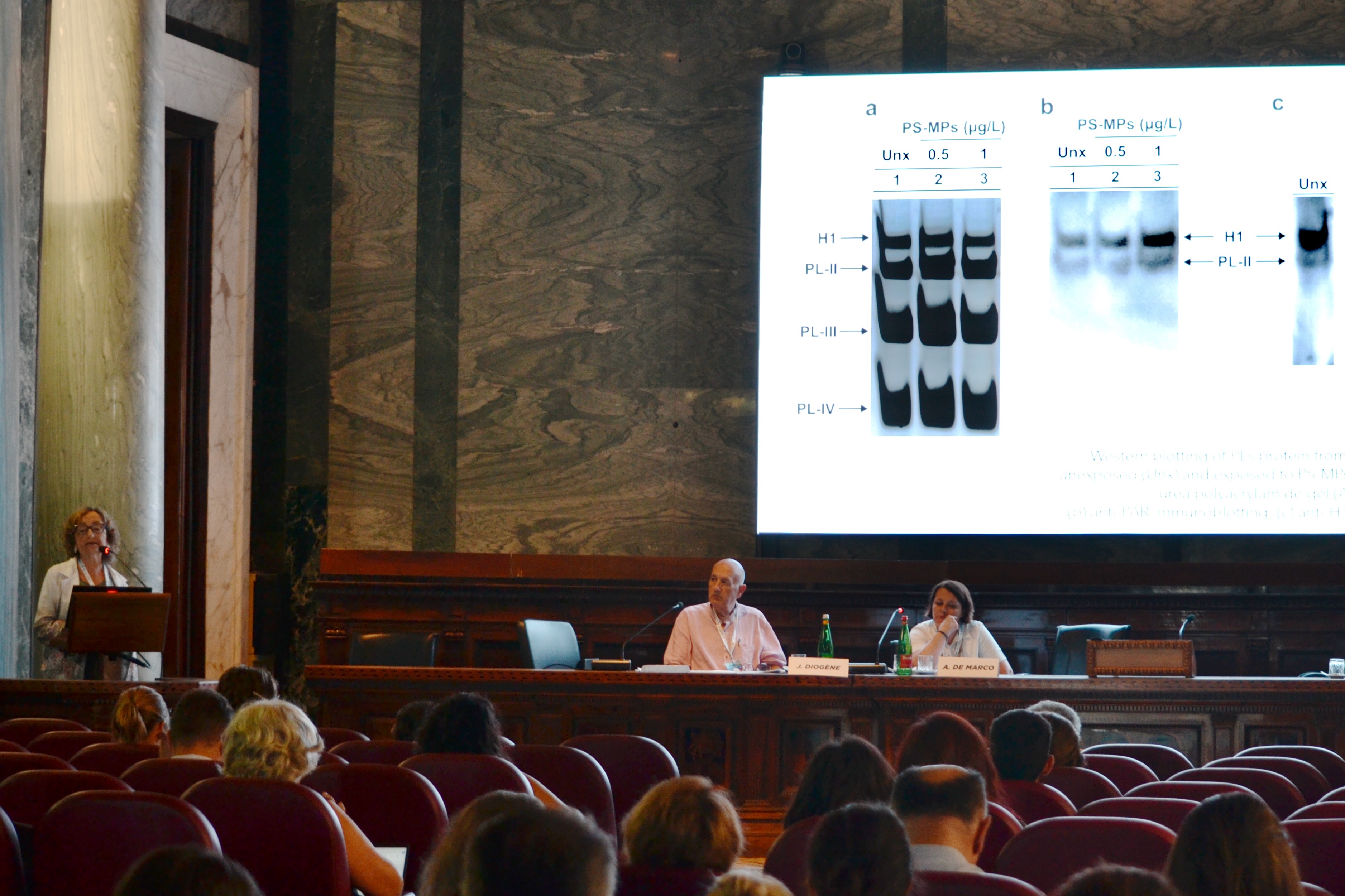
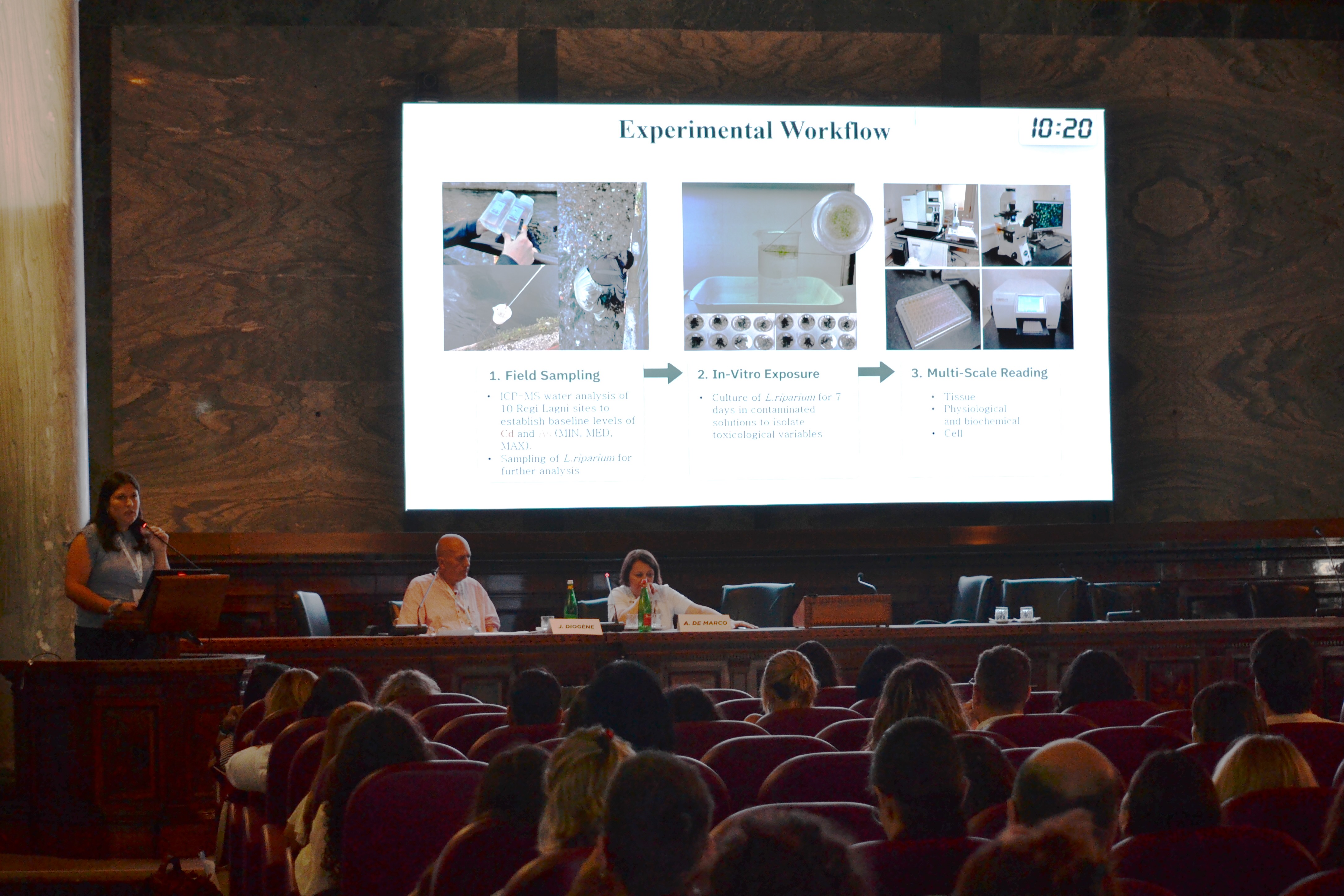
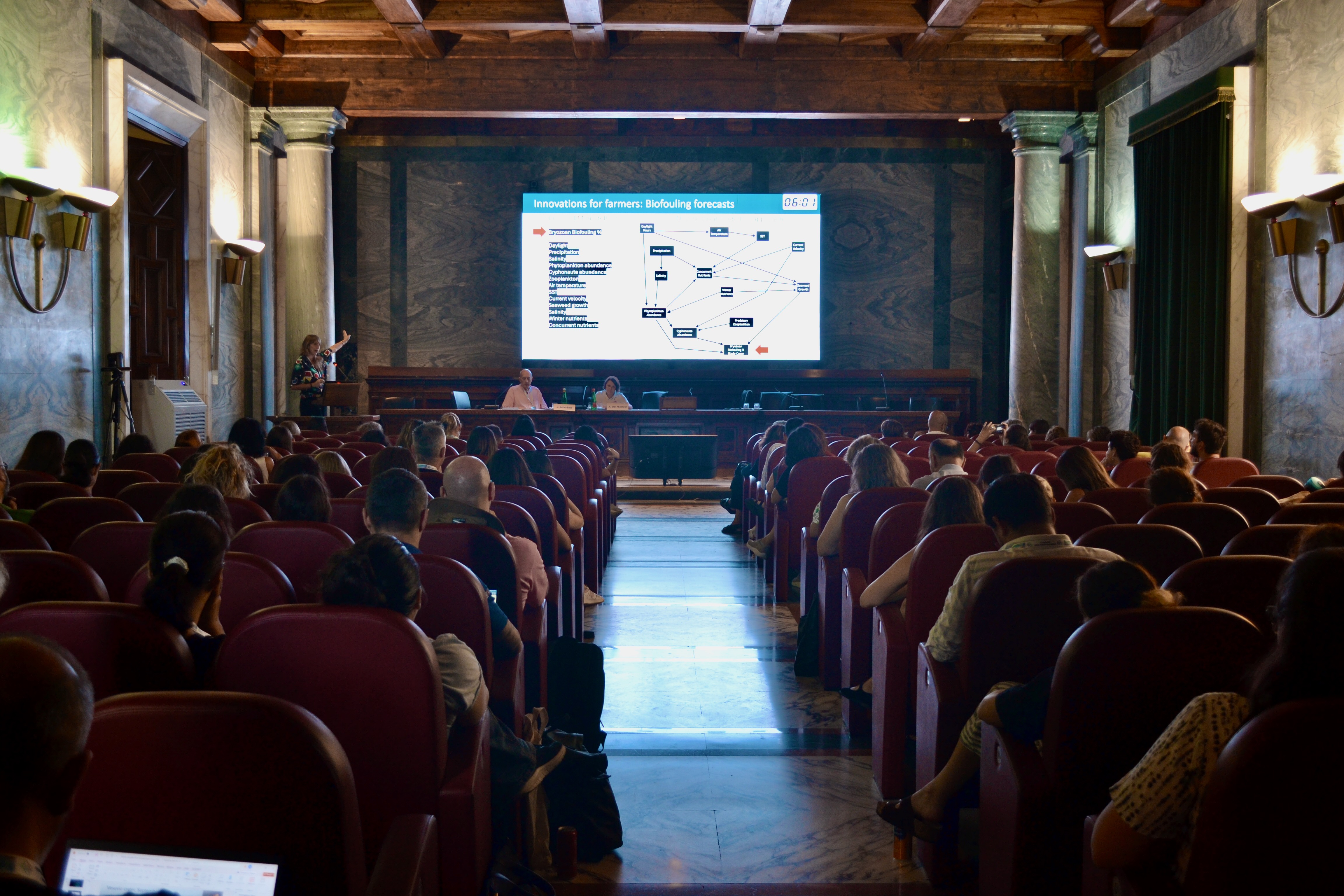
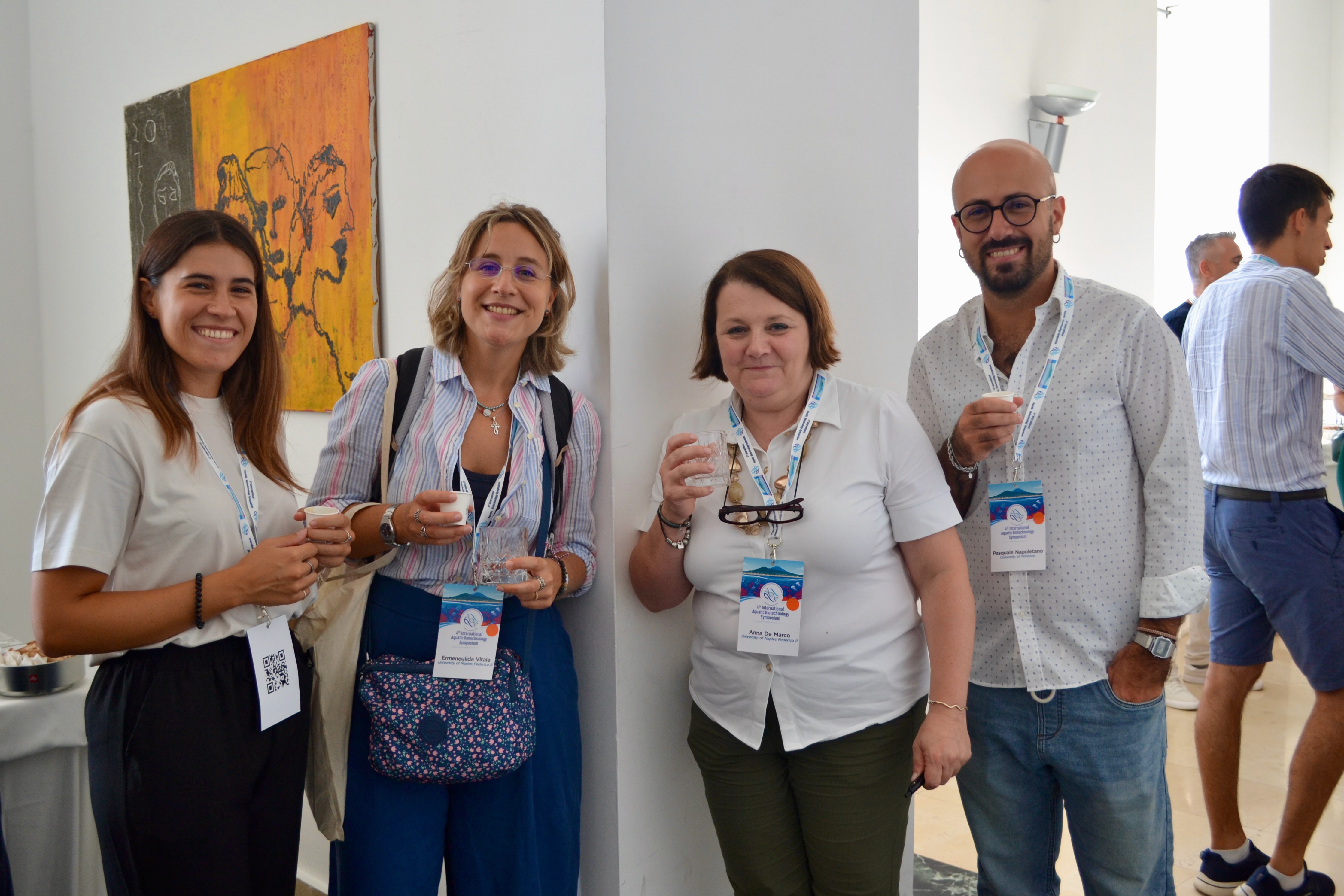
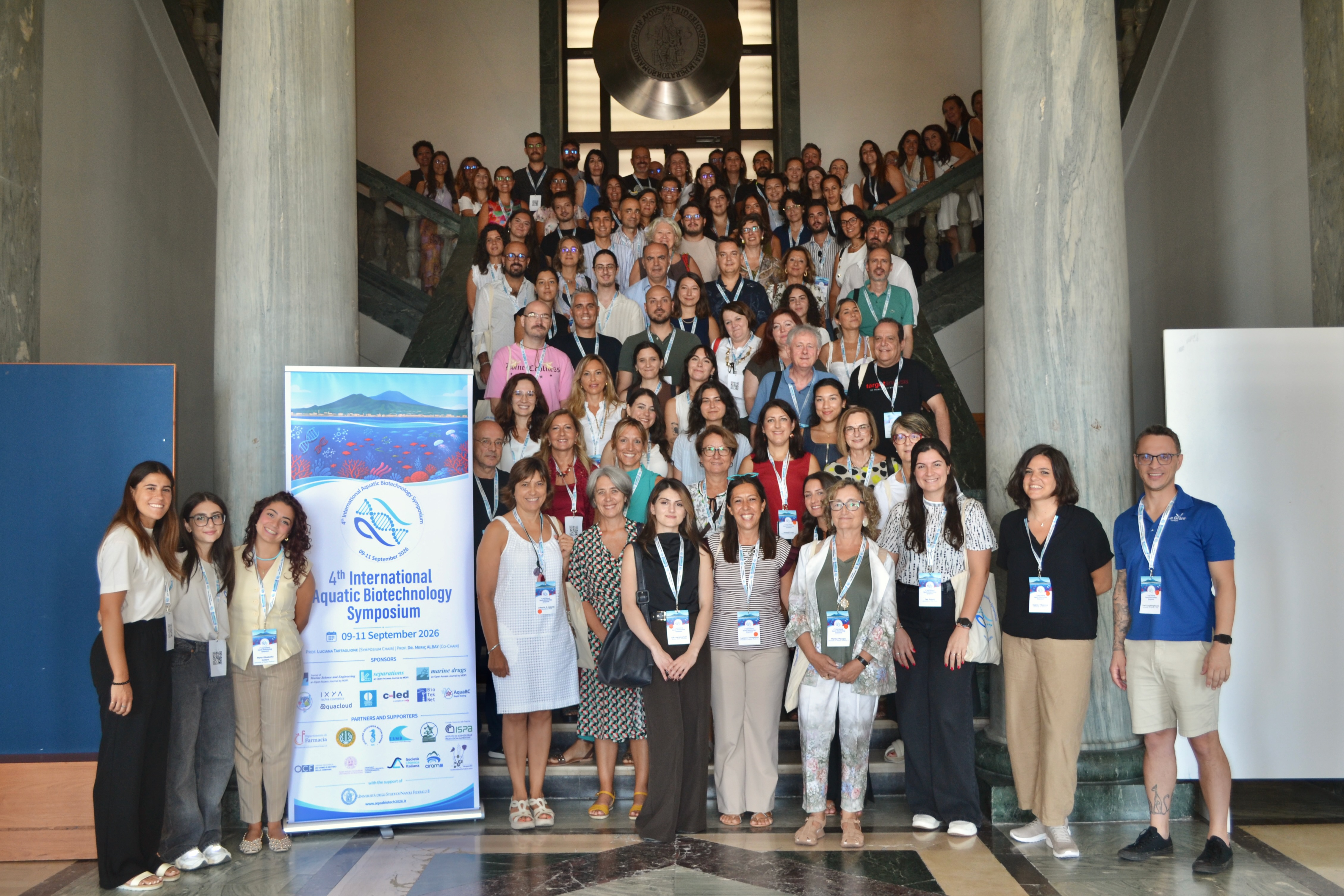
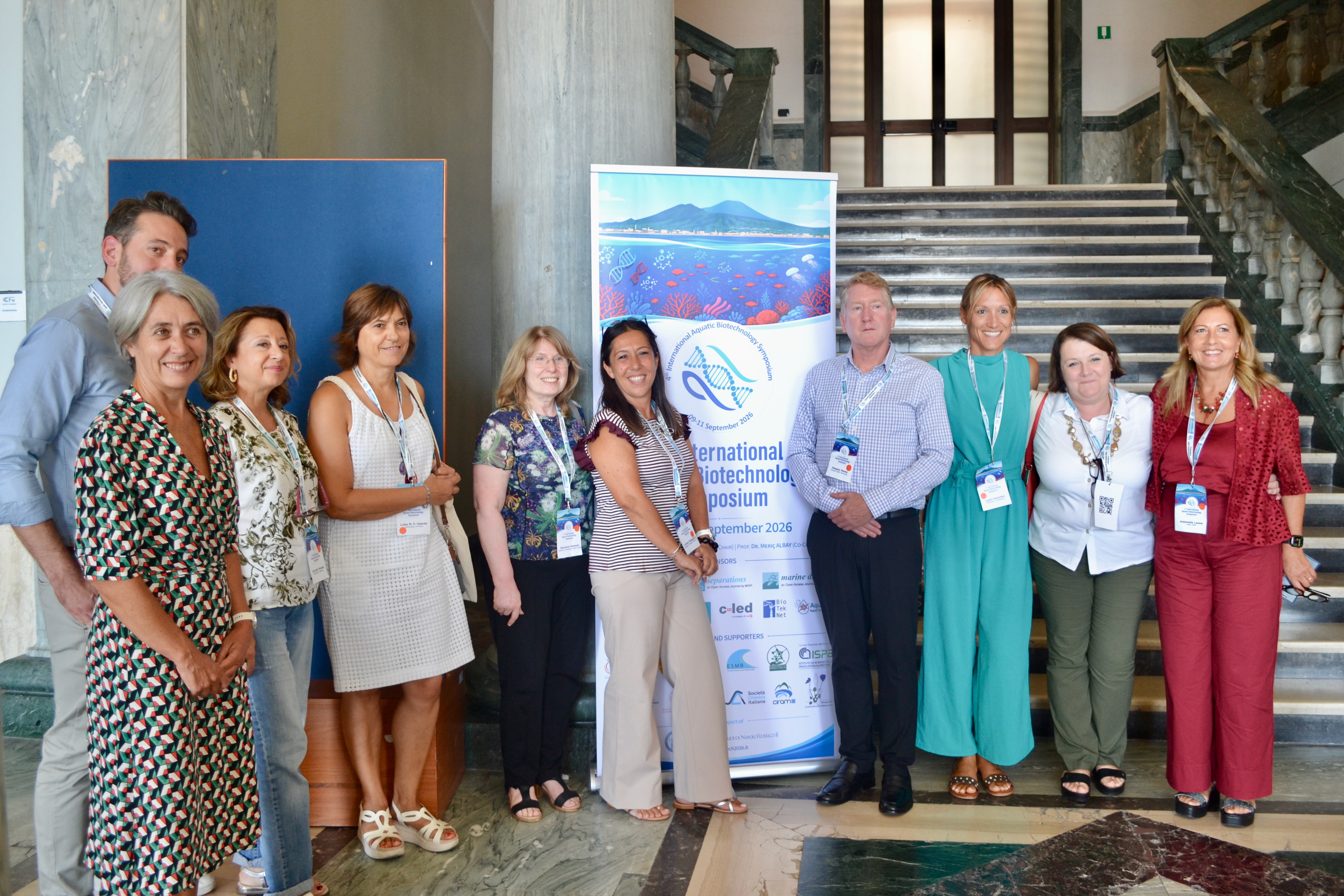
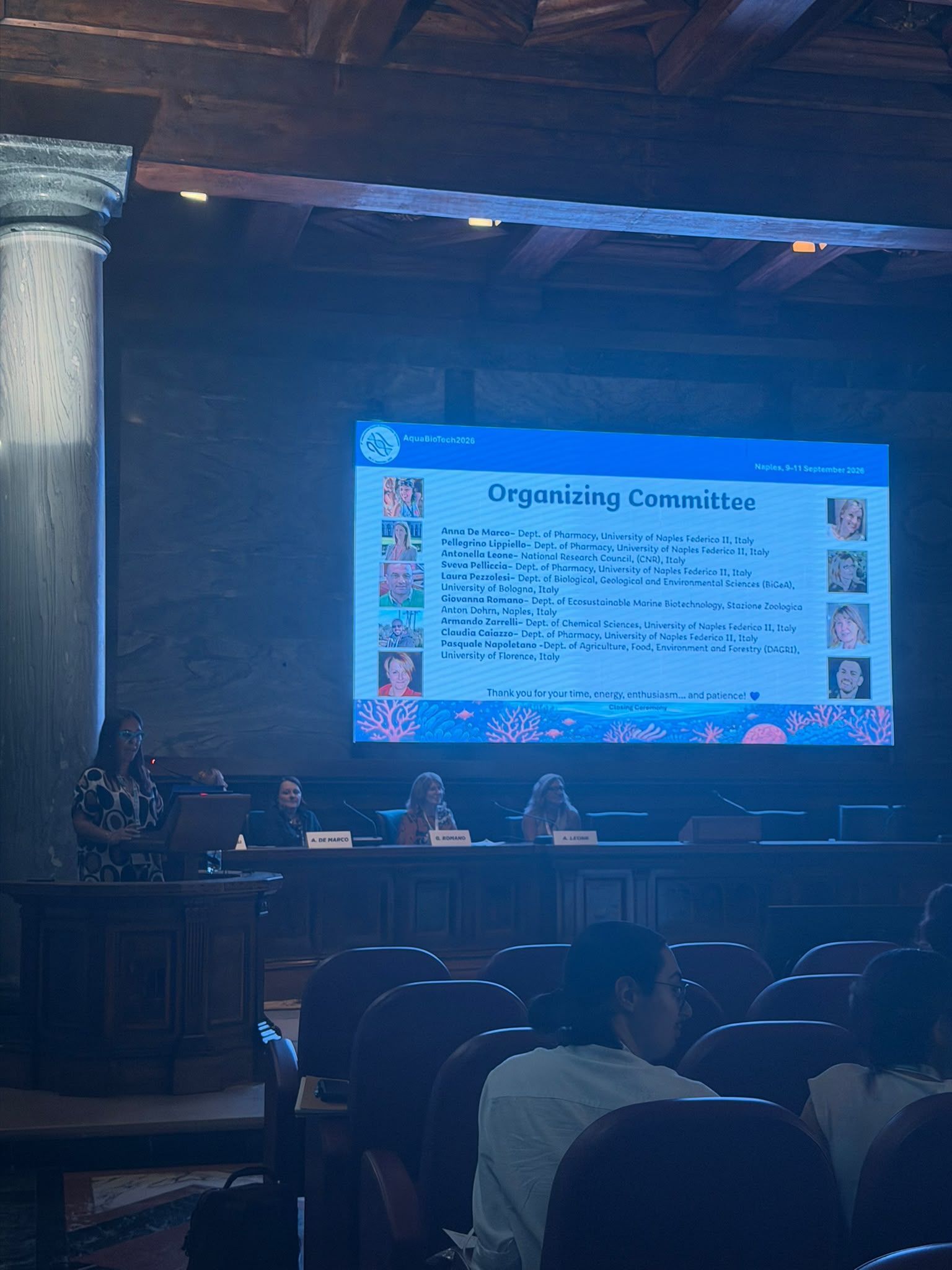
📍 An event of international significance: Naples hosted the 4th International Aquatic Biotechnology Symposium from 9 to 11 September 2026, bringing together 150 researchers from numerous countries in one of the most important conferences dedicated to aquatic biotechnology.
CIRAM's Role
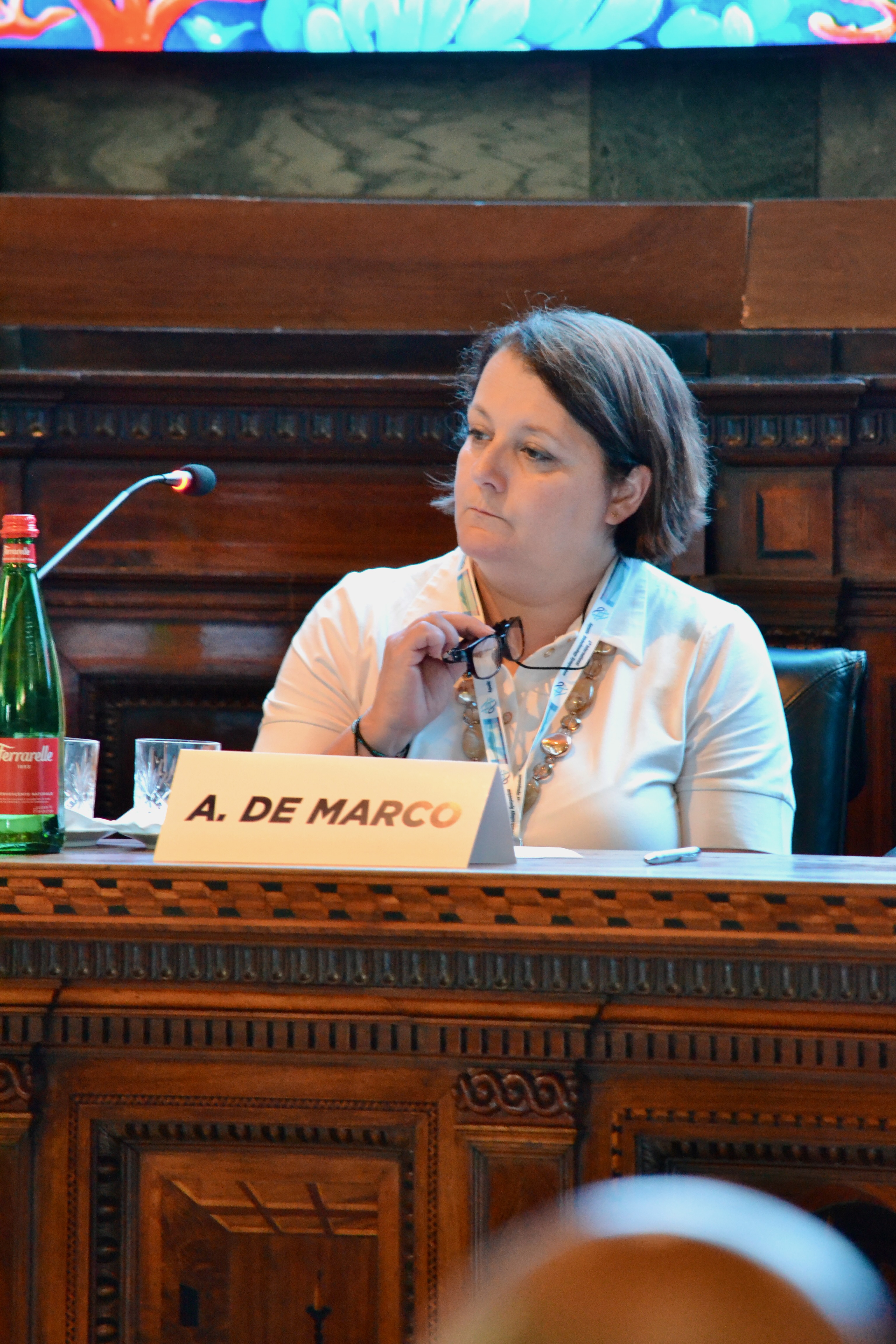
Professor Anna De Marco, a member of the CIRAM Council, played a significant role in organising the event, contributing to the Symposium as a member of both the Scientific Committee and the Organising Committee. The initiative was coordinated by Professor Luciana Tartaglione. Both Professors De Marco and Tartaglione are affiliated with the Department of Pharmacy at the University of Naples Federico II.
Scientific Programme
The event featured a comprehensive scientific programme, comprising:
- 57 oral presentations
- 48 posters
- 2 keynote lectures
- 3 plenary lectures
International Keynote Speakers
🎓 Luísa Valente
University of Porto | President of the International Society of Aquaculture Nutrition (ISAN) | European Aquaculture Society (EAS)
🎓 Claire Hellio
Université de Bretagne Occidentale (UBO) | Director of Biodimar | Scientific Lead for Ocean at the French National Research Agency (ANR) | International Editor of Marine Biotechnology | Vice-President of the International Marine Biotechnology Association (IMBA)
🎓 Spyros Gkelis
Aristotle University of Thessaloniki, Greece | Coordinator of numerous European projects | Specialisation in cyanobacterial monitoring, bioactive compounds and sustainable biomass production | Founder of the TAU-MAC culture collection
Research Areas
The scientific discussions covered a wide range of areas within aquatic biotechnology:
🌾 Sustainable Aquaculture
Development of sustainable practices in aquatic farming
🔬 Bioprospecting
Discovery of novel metabolites from aquatic organisms
🌊 Bioremediation & Monitoring
Strategies for remediation and control of aquatic environments
📊 Omics Technologies
Genomic and proteomic analysis in microorganisms
🦠 Biosensing
Biodetection technologies and applications
☀️ Photosynthetic Microorganisms
Biotechnology applied to algae and cyanobacteria
Cultural Experiences and Networking
Beyond the scientific programme, the Symposium included moments dedicated to socialising and celebrating Naples's rich cultural heritage.
🍽️ Conference Dinner
"'Mbasciata" – an atmospheric venue located in historic Naples – hosted the conference dinner, offering participants the opportunity to enjoy a convivial evening while experiencing the distinctive ambience and culinary traditions of Naples.
🎨 Visit to the Madre Museum
The social programme was enriched by a visit to the Madre Museum – Donnaregina Museum of Contemporary Art, one of Naples's leading exhibition spaces devoted to contemporary art. The visit enabled participants to discover one of the city's most significant cultural institutions while further encouraging dialogue and interaction among researchers from different countries.
Conclusions
The 4th International Aquatic Biotechnology Symposium proved to be not only an important forum for discussing the latest developments in aquatic biotechnology, but also an opportunity for researchers from diverse backgrounds to meet and establish new collaborations. The event successfully combined scientific research, innovation and the celebration of cultural heritage, exemplifying how science can integrate with and enrich the cultural life of a community.
The event demonstrated the strength of international collaboration in the life sciences and reaffirmed Naples's position as a key venue for high-quality scientific discourse at the global level.