


 Centro Interdipartimentale Ricerca AMbiente
- ciram@unina.it
- Lun-Ven | 8 -17
First Seminar Series by Young Environmental Experts at C.I.R.AM
Cultivating Talent: At C.I.R.AM., Space for Young Environmental Leaders From April 20 to June 19, 2026, C.I.R.AM. is promoting its first cycle of seminars dedicated to the environment—an initiative that places the growth of the new generation of researchers at its core, while fostering interdisciplinary dialogue on sustainability issues. Organized in a blended format (Teams channel: dtfselx), the seminar series represents an important opportunity for discussion on today’s major environmental challenges. The program, organized by the Director of C.I.R.AM., Giulia Guerriero, together with board members Luigi Rosati and Filomena Sannino, is structured into three thematic sessions—One Health, Water, and Soil—reflecting an integrated approach to environmental studies that connects human health, ecosystems, and the sustainable management of resources.
From water quality to emerging contaminants, from climate change to soil protection, the seminars will provide an up-to-date overview of the latest research directions and potential innovative solutions. A distinctive feature of the initiative is the central role given to young experts, who will have the opportunity to present their work alongside leading academic and institutional speakers.
Topics covered will range from the use of sustainable biomaterials to environmental biomonitoring, as well as climate change adaptation strategies and water treatment technologies, offering a concrete contribution to research and innovation. The series will conclude on June 19 with a final ceremony, during which certificates of participation will be awarded by the Director of C.I.R.AM., Prof. Giulia Guerriero, and the Deputy Director, Prof. Massimo Fagnano. The C.I.R.AM.
Award will also be presented to the most outstanding contribution, selected by a jury composed of board members Filomena Sannino, Armando Zarrelli, and Fiore Capozzi.
With this initiative, C.I.R.AM. reaffirms its commitment to supporting and promoting emerging talent, fostering a dynamic and open research environment capable of generating knowledge and innovation for a more sustainable future.
FIRST FEDERICIAN EURO-MEDITERRANEAN DAYS
FOOD AND HEALTH_WORKSHOP
17 October, 2025
Piazzale Tecchio, Massimilla Hall, Department of Engineering, Naples
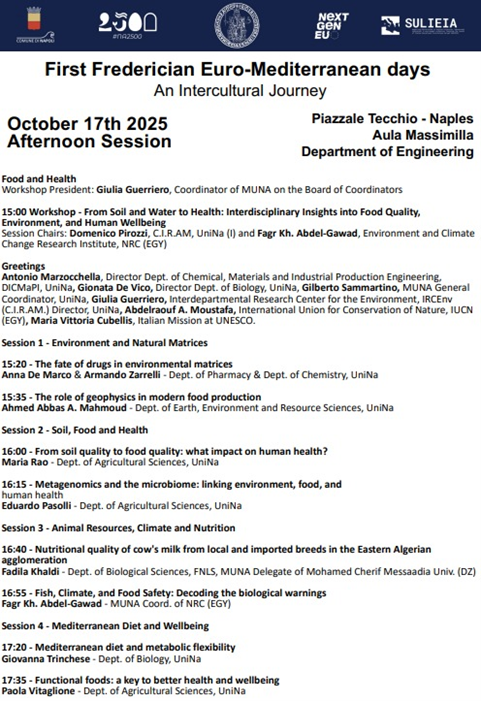
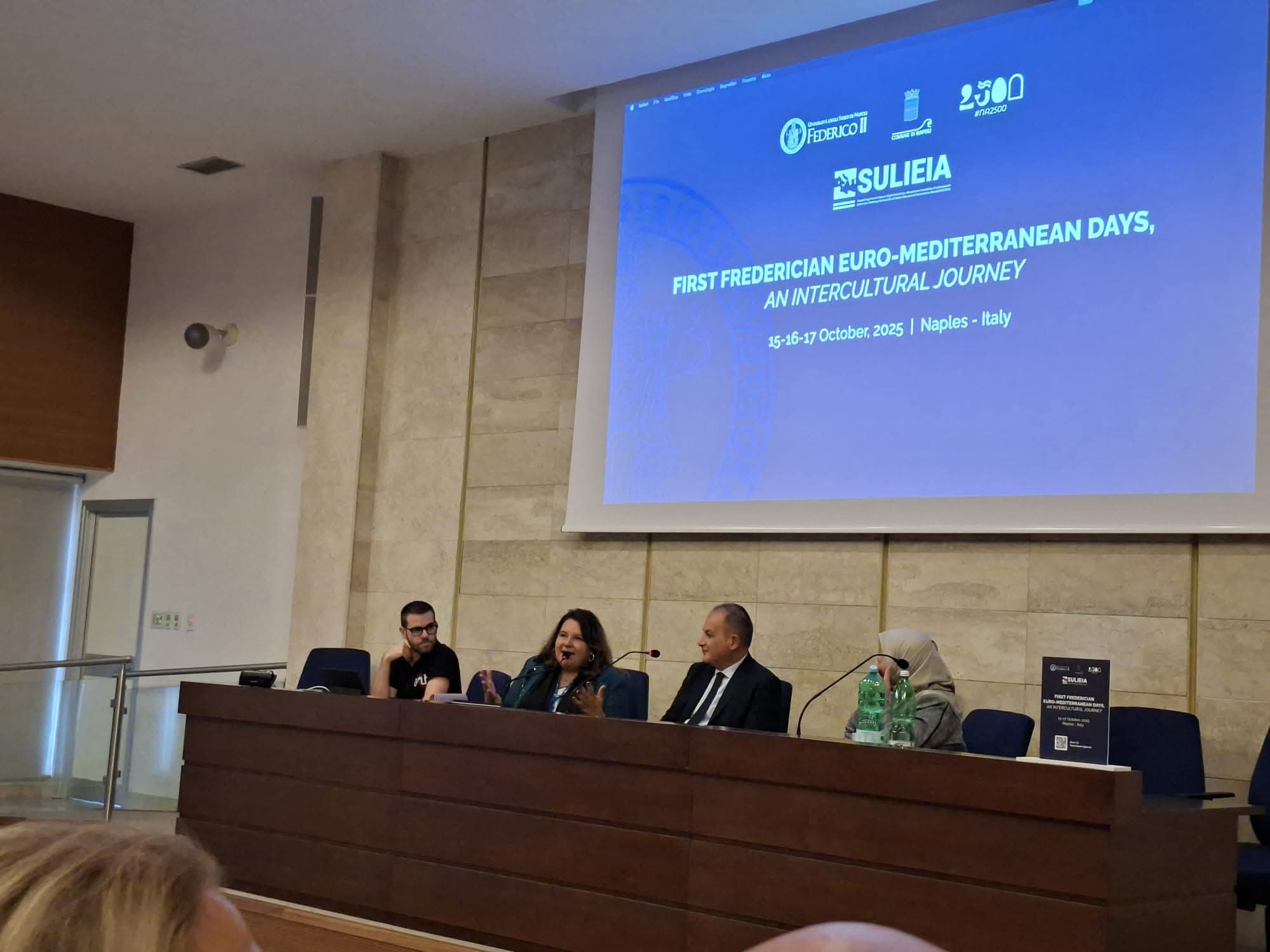
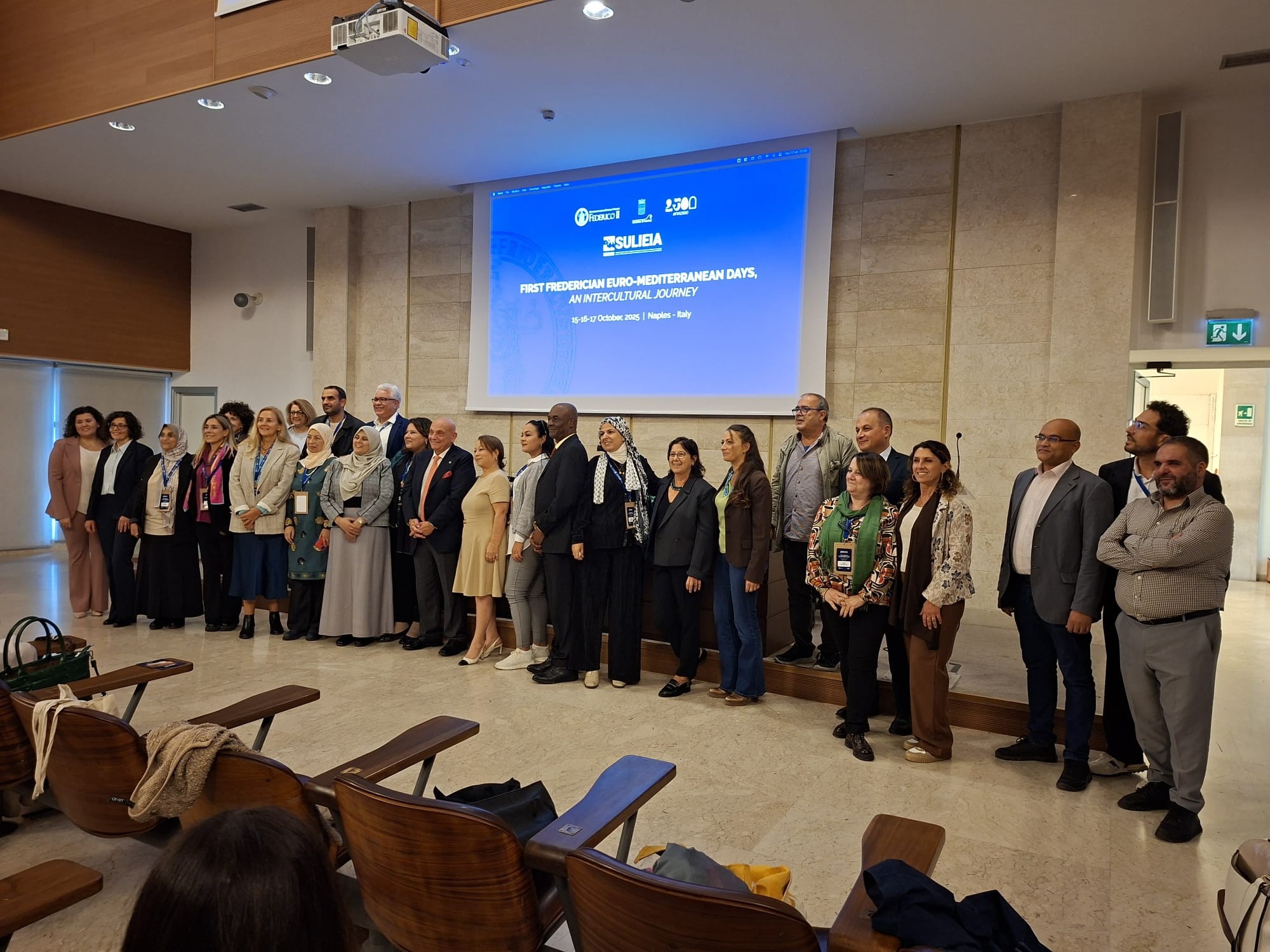
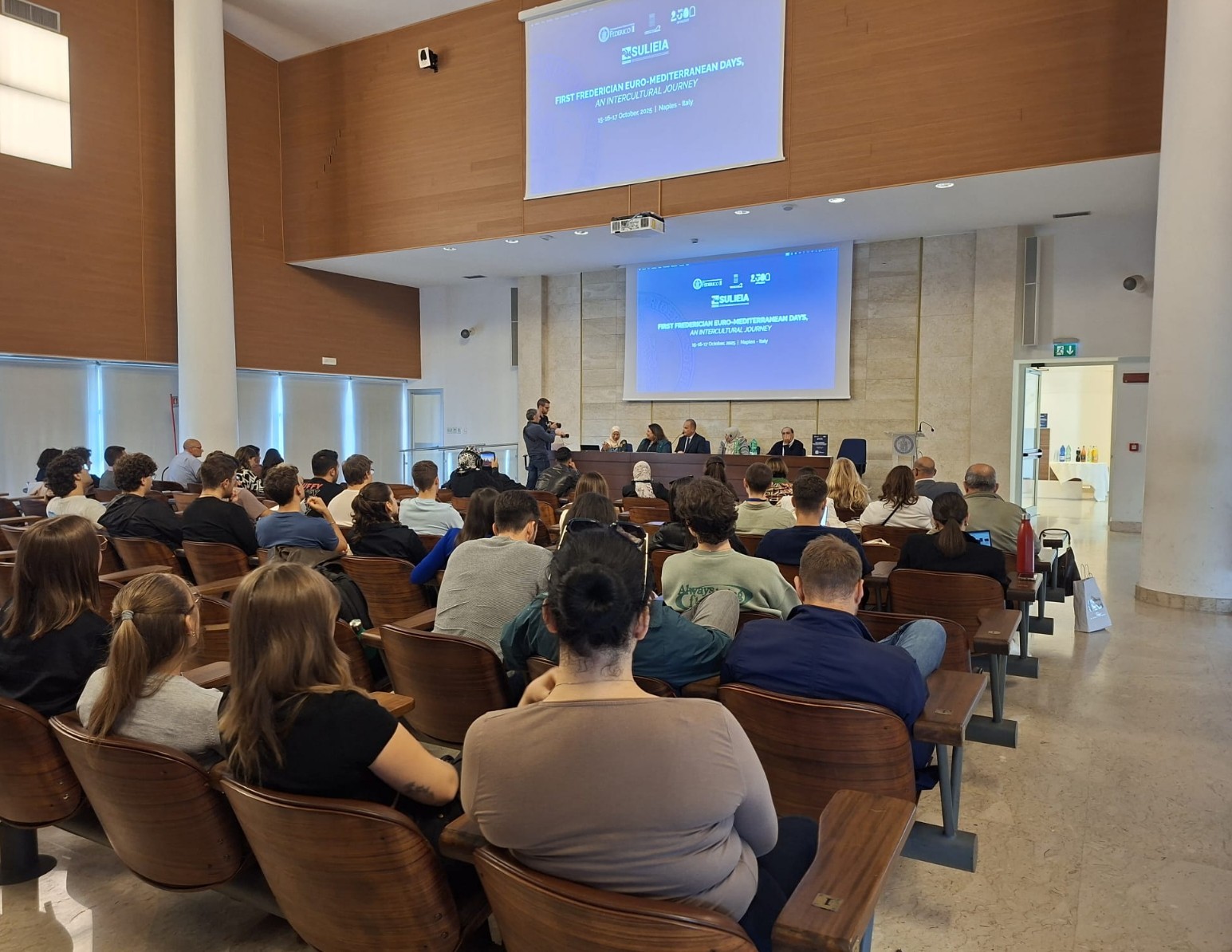
On October 17, as part of the First Frederician Euro-Mediterranean Days, a workshop will explore the connections between environmental quality, nutrition, and human health.
On October 17, 2025, as part of the First Frederician Euro-Mediterranean Days, the Aula Massimilla at Federico II University will host the workshop "From Soil and Water to Health: Interdisciplinary Insights into Food Quality, Environment, and Human Wellbeing," an event dedicated to the connections between environment, nutrition, and health.
The initiative, strongly supported by Gilberto Sammartino, General Coordinator of MUNA and promoter of the dialogue between research and scientific diplomacy, is part of the international cooperation program of the Federico II University, aimed at enhancing synergies between universities, institutions, and research centers in the Mediterranean.
The workshop, chaired by Giulia Guerriero, Coordinator of the MUNA Coordinators' Board and Director of the Interdepartmental Research Center for the Environment (C.I.R.AM.), and coordinated by Domenico Pirozzi (C.I.R.AM., UniNa) and Fagr Kh. Abdel-Gawad (National Research Center, NRC, Egypt), will feature the participation of Italian and international experts working on the issues of sustainability, food security, and human well-being.
After institutional greetings from professors and representatives of international organizations—including Antonio Marzocchella (Director of the Department of Chemical, Materials, and Industrial Production Engineering), Gionata De Vico (Director of the Department of Biology), Nasser Mandour (Rector of Suez Canal University, Egypt), Mohammed Banni (Rector's Delegate of El Manar University and Sousse University, Tunisia), Noureddine Guezgouz (MUNA Coordinator, Algeria), Marwan Ghanem (MUNA Coordinator, Palestine), Gilberto Sammartino, Abdelraouf A. Moustafa (IUCN), and Maria Vittoria Cubellis (UniNa)—the workshop will offer an overview of the relationship between environmental matrices and human health, ranging from the impact of contaminants and pharmaceuticals on soil and water to the most advanced technologies for monitoring and reducing their effects.
Anna De Marco and Armando Zarrelli (UniNa) will open the workshop by discussing the fate of pharmaceuticals in environmental matrices, followed by Ahmed Abbas A. Mahmoud (UniNa), who will illustrate the role of geophysics in modern agricultural practices. Maria Rao and Eduardo Pasolli (UniNa) will explore the connection between soil quality, the microbiome, and human health, while Fadila Khaldi (Univ. Mohamed Cherif Messaadia, Algeria) and Fagr Kh. Abdel-Gawad (NRC, Egypt) will present research on animal nutrition, food security, and climate impacts. Giovanna Trinchese and Paola Vitaglione (UniNa) will conclude with presentations on the Mediterranean diet, metabolic flexibility, and functional foods as a key to well-being.
This workshop thus becomes a crossroads of science, culture, and international collaboration, where Federico II University continues to champion a Mediterranean vision founded on research, innovation, and sustainability for the well-being of communities and the environment.
4TH INTERNAZIONAL ONE-HEALTH CONFERENCE
30 September – 2 October, 2025
Rome, Italy
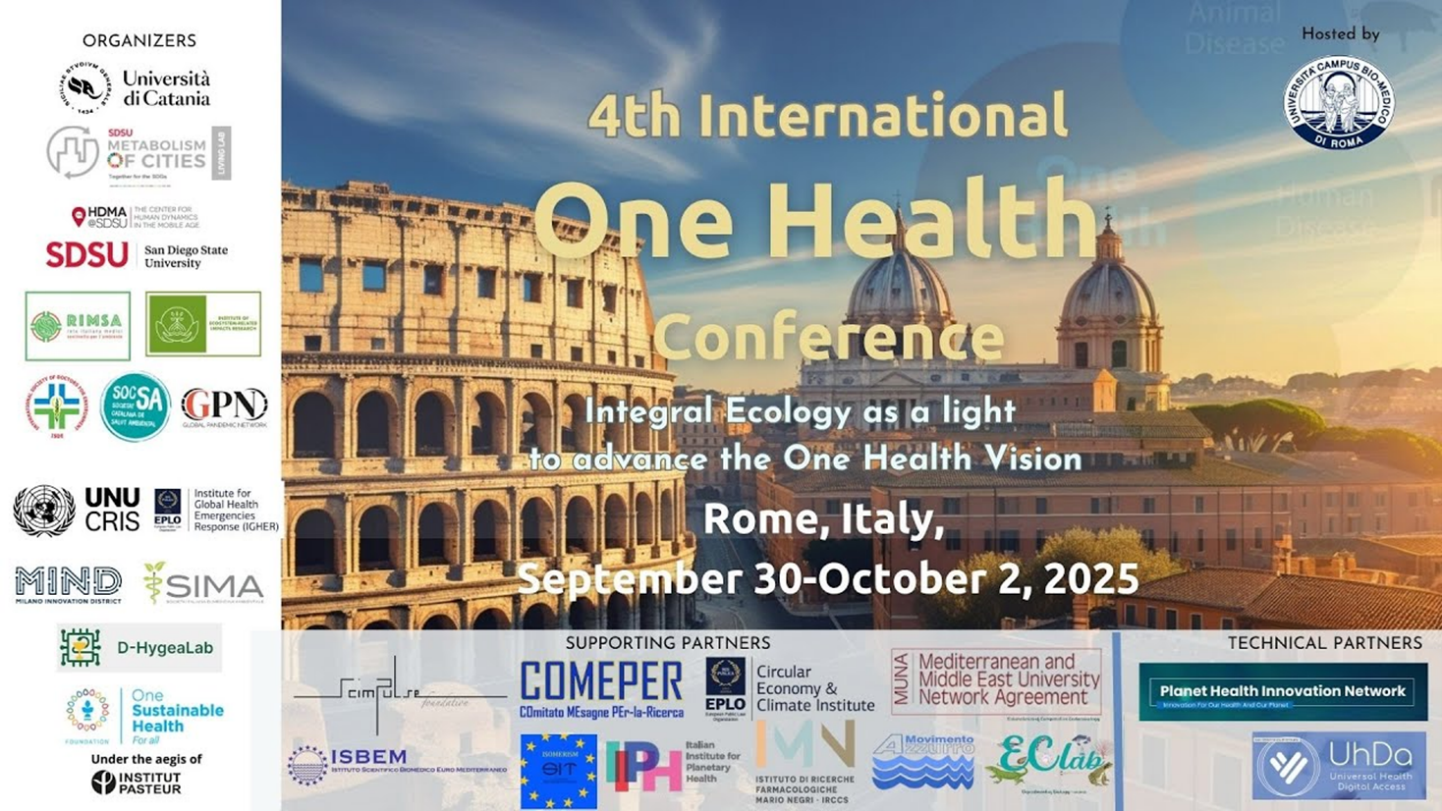
The 4th International One-Health Conference, grounded in Integral Ecology and Human Ecology, emphasizes the interconnectedness of human, animal, and environmental health. Health is a key aspect of our modern society that requires a multidisciplinary approach and that needs to bring together professionals, academics and decision makers in order to bridge the gap between current scientific knowledge and policies. One Health is a holistic, integrative approach that seeks to balance and optimize the health of humans, animals, and ecosystems, acknowledging the deep interconnections among them.
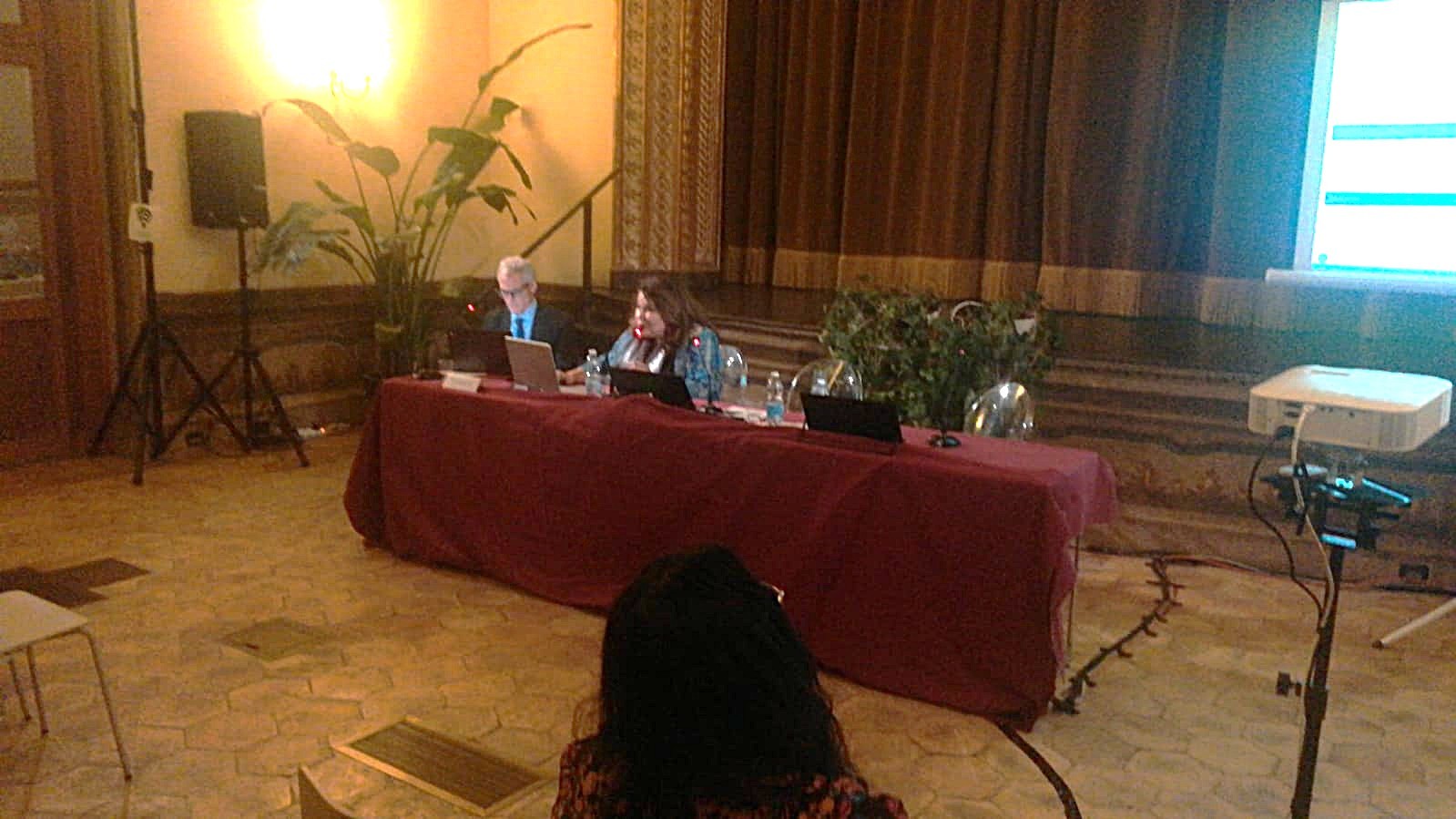
Professor Giulia Guerriero, Director of the Interdepartmental Research Centre for the Environment, IRCEnv (CIRAm) promoted the initiative in her capacity as Coordinator of the Board of Coordinators of the Mediterranean and Middle East University Network Agreement (MUNA) consortium and Head of the Comparative Endocrinology Laboratory (EClab) of the Department of Biology, University of Naples Federico II.
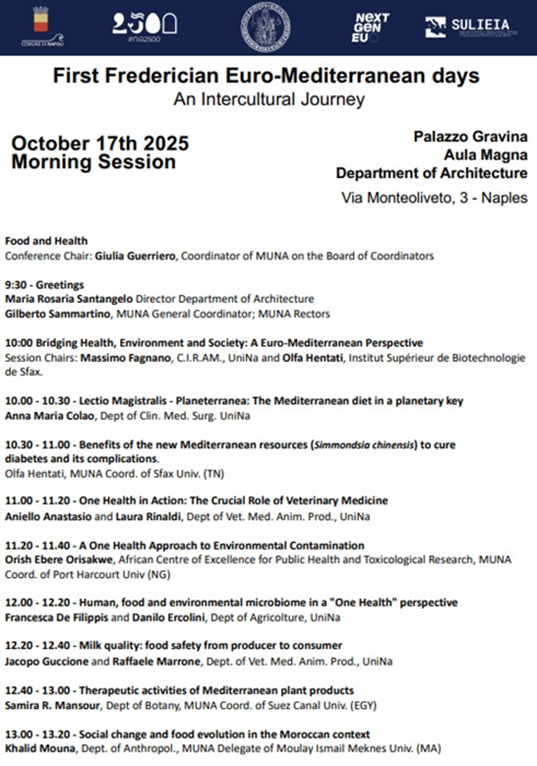
FIRST FEDERICIAN EURO-MEDITERRANEAN DAYS
FOOD AND HEALTH
17 October, 2025
Palazzo Gravina, Great Hall, Department of Architecture
Health, Nutrition, and the Environment: A Euro-Mediterranean Dialogue for the Future
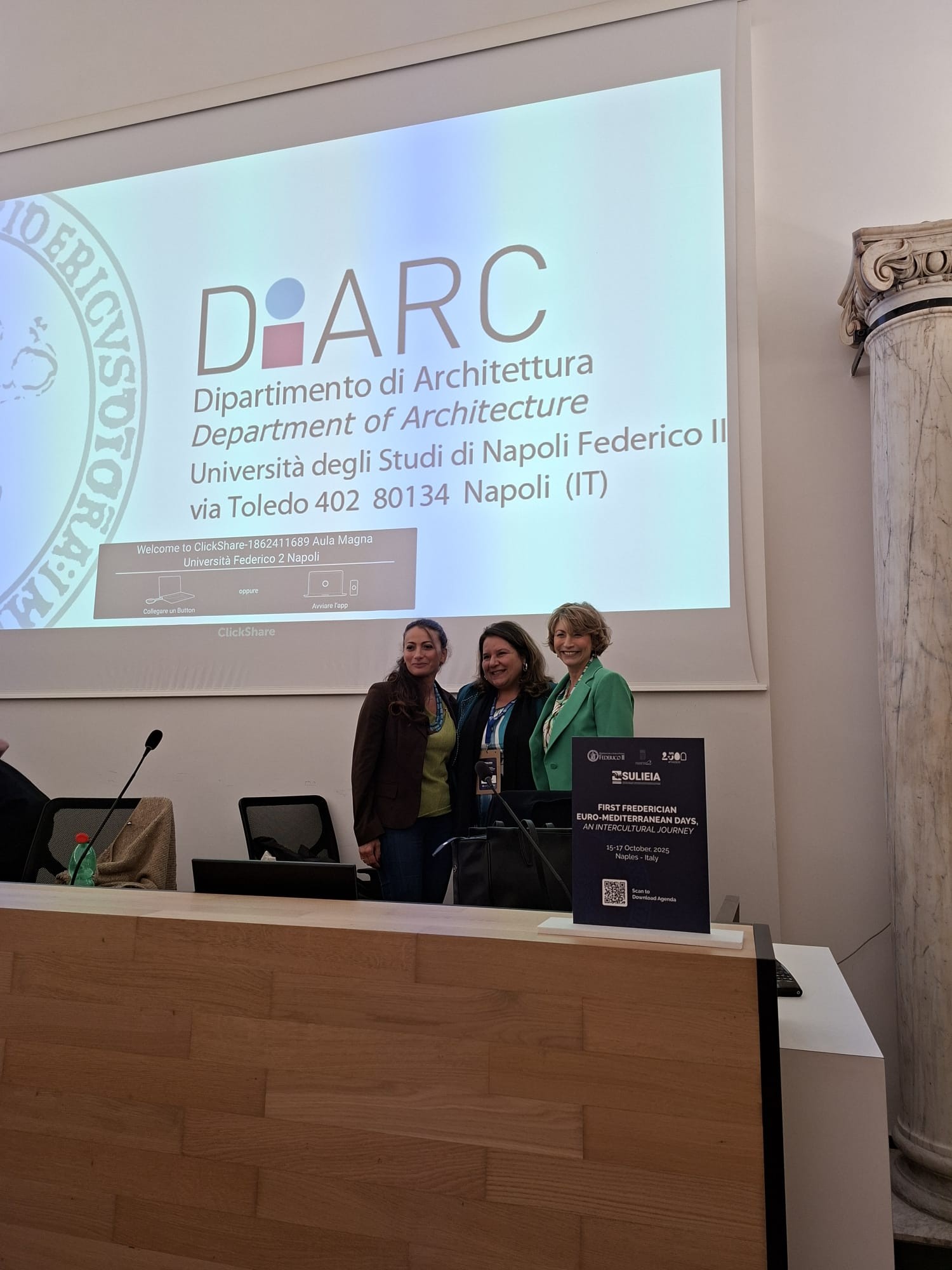
The final day, October 17, of the event "First Frederician Euro-Mediterranean Days, An Intercultural Journey," promoted by the SULIEIA Project, coordinated by the University of Naples Federico II in partnership with the Mediterranean and Middle East University Network (MUNA), will be organized in collaboration with the Interdepartmental Center for Environmental Research (C.I.R.AM.), a group of 11 departments of the University of Naples Federico II, and will focus on the relationship between health, nutrition, the environment, and society.
The event will take place at the Architecture Faculty at Via Monteoliveto 3 in Naples and will be coordinated by Massimo Fagnano, Vice Director of C.I.R.AM. and a recognized scientific expert in soil remediation, and by Fagr Kh. Abdel-Gawad, MUNA Coordinator in Egypt and a specialist in water remediation and food safety.
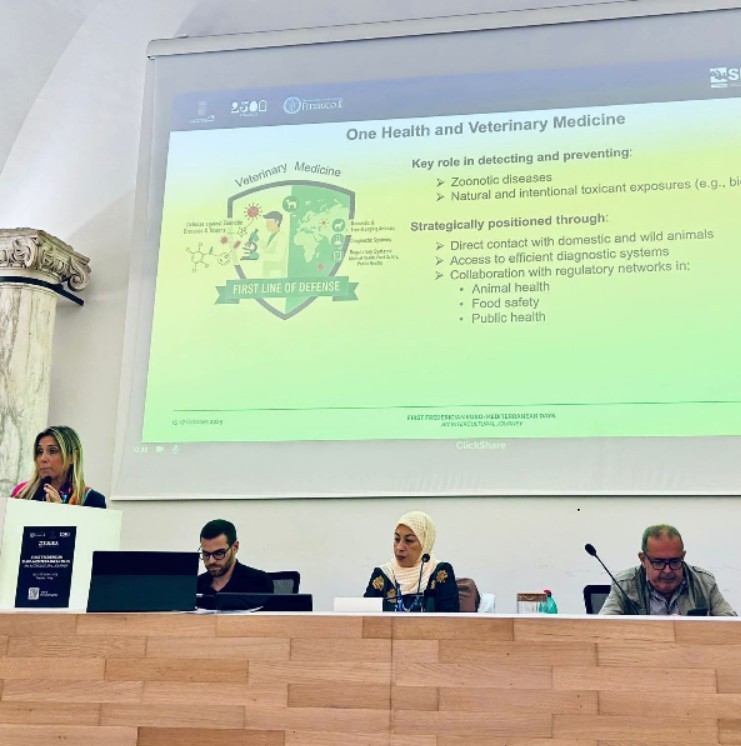
The event will open with a presentation by Anna Maria Colao and Giovanna Muscogiuri on the Mediterranean diet, followed by a presentation by Olfa Hentati, MUNA coordinator in Tunisia, on new Mediterranean plant resources suitable for medicinal purposes. This will be followed by presentations analyzing the "One Heath" approach from a veterinary perspective (Aniello Anastasio and Laura Rinaldi), soil contamination and reproductive health (Orish Ebere Orisakwe, MUNA coordinator in Nigeria), and microbiological perspectives (Danilo Ercolini and Francesca De Filippis). The morning will conclude with presentations on milk quality (Jacopo Guccione and Raffaele Marrone), plant products for therapeutic use (Samira Mansour, MUNA coordinator in Egypt), and the relationship between social evolution and food in North Africa (Khalid Mouna, MUNA delegate in Morocco).
The objectives of the day, emphasized Professor Giulia Guerriero, Director of C.I.R.AM., are to explore the many aspects linking the environment, nutrition, and global health, through contributions and reflections from across the Mediterranean.
The initiative is based on the understanding that only through scientific knowledge and the strengthening of international collaborations will it be possible to achieve genuine and lasting social, cultural, and health progress, for the benefit of the community and future generations.
INTERNATIONAL CONFERENCE ON ENVIRONMENTAL TOXICOLOGY AND HEALTH
24 and 25 September, 2025
University of Annaba
https://coilink.org/20.500.12592/57gldls

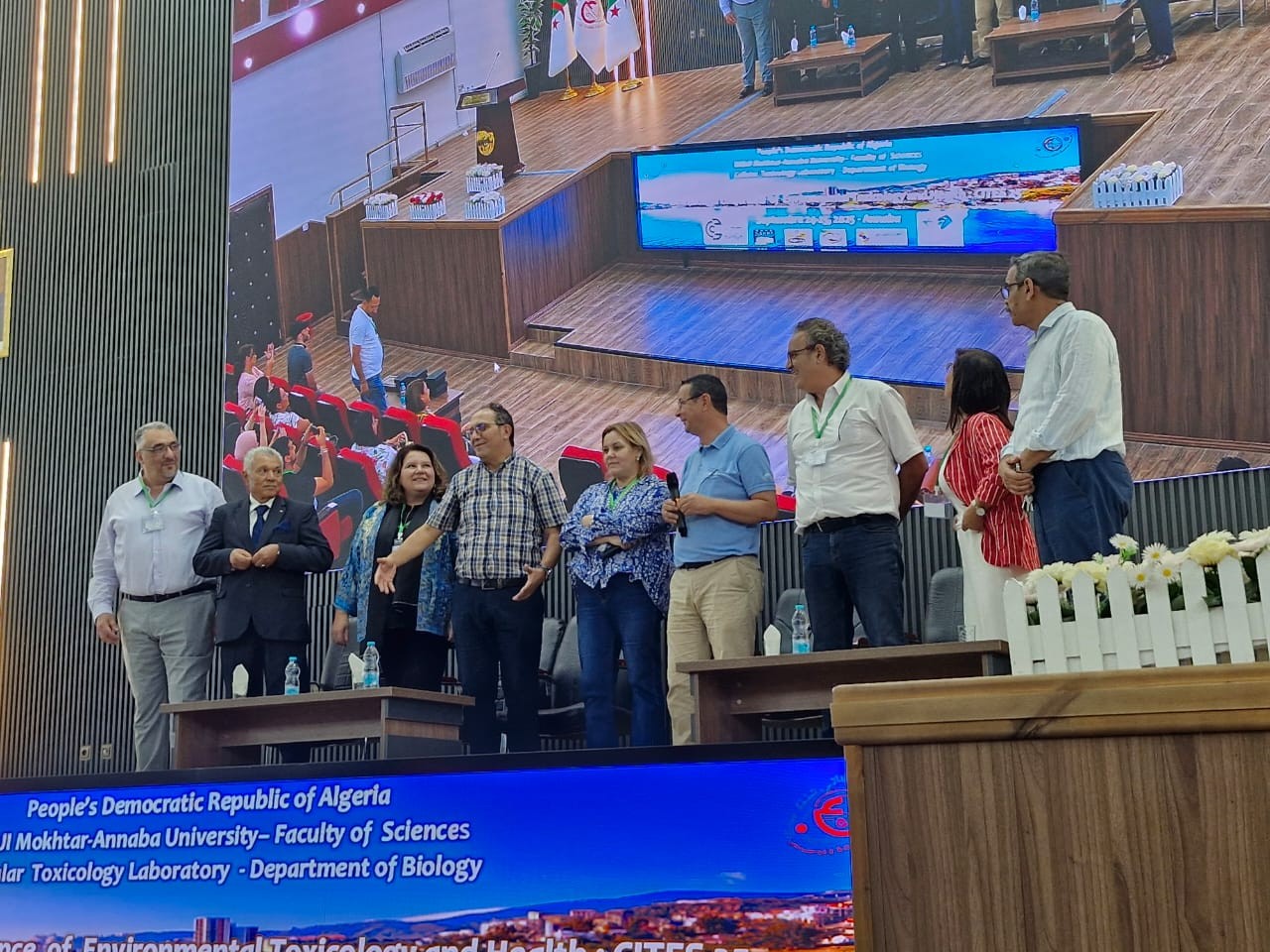
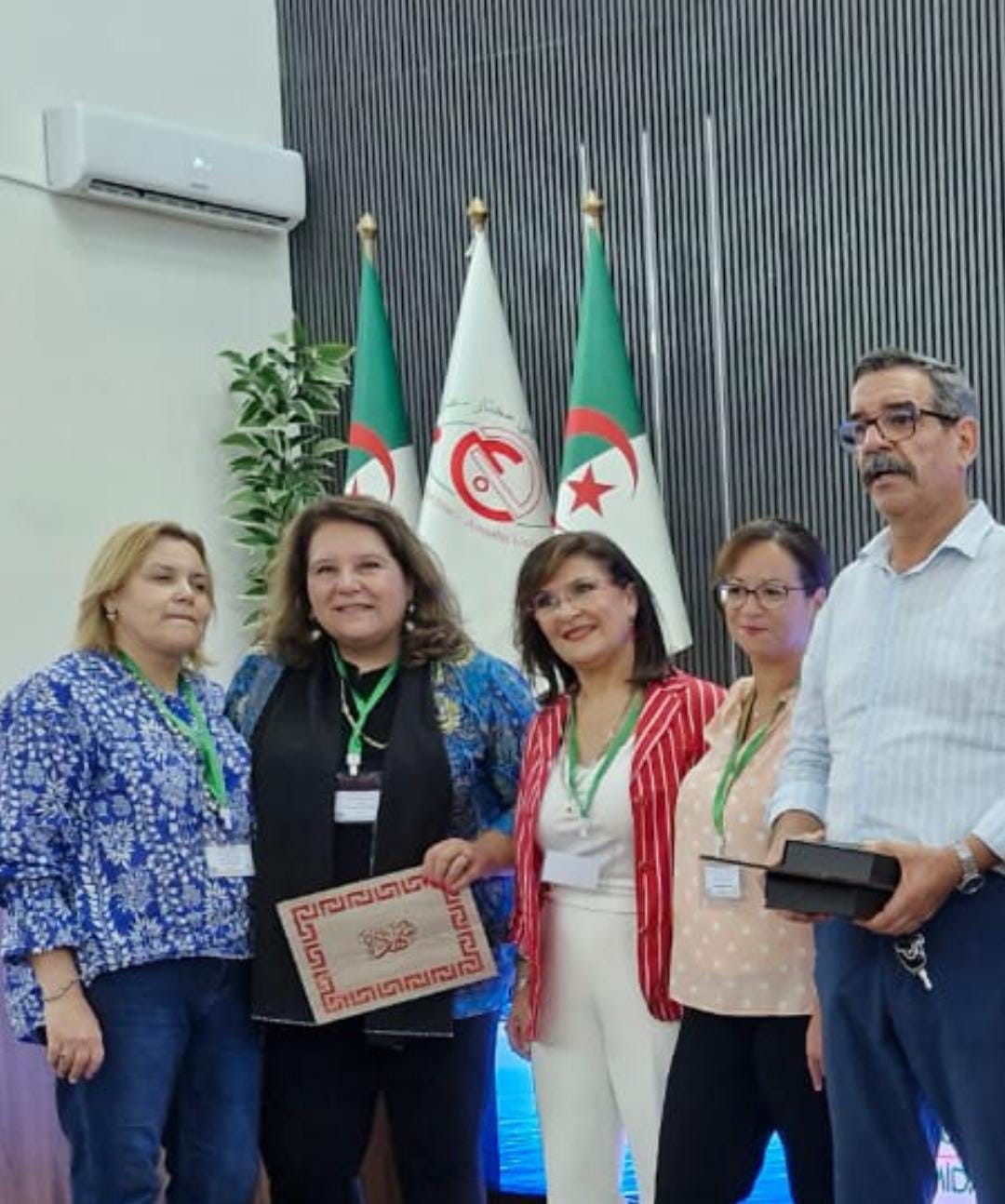
The University of Annaba hosts Professor Giulia Guerriero, Director of the Interdepartmental Research Center for Environment, IRCEnv (CIRAm) and Coordinator of the Board of Coordinators of the Mediterranean and Middle East University Network Agreement (MUNA) consortium, University of Naples Federico II. The Laboratory of Cellular Toxicology (LTC) at Annaba University organized an International Conference on Environmental Toxicology and Health, held on September 24 and 25, 2025. The conference aimed to address the pressing issue of environmental pollution and its impact on human health, focusing on the effects of pollutants, their pathways, and the management of contaminated biotopes. The program includes sessions on environmental toxicology, toxicology and health, bioremediation, integrated risk management, and green economy.

Centro Interdipartimentale di Ricerca "Ambiente"
Università di Napoli Federico II
Via Tarsia 31 (Palazzo Latilla, 2° piano)
80134 Napoli
+39 081 2534644
Università di Napoli Federico II
Via Tarsia 31 (Palazzo Latilla, 2° piano)
80134 Napoli
+39 081 2534644